
What No One Tells You About Owning a Cotswolds Holiday Cottage (Until It's Too Late)
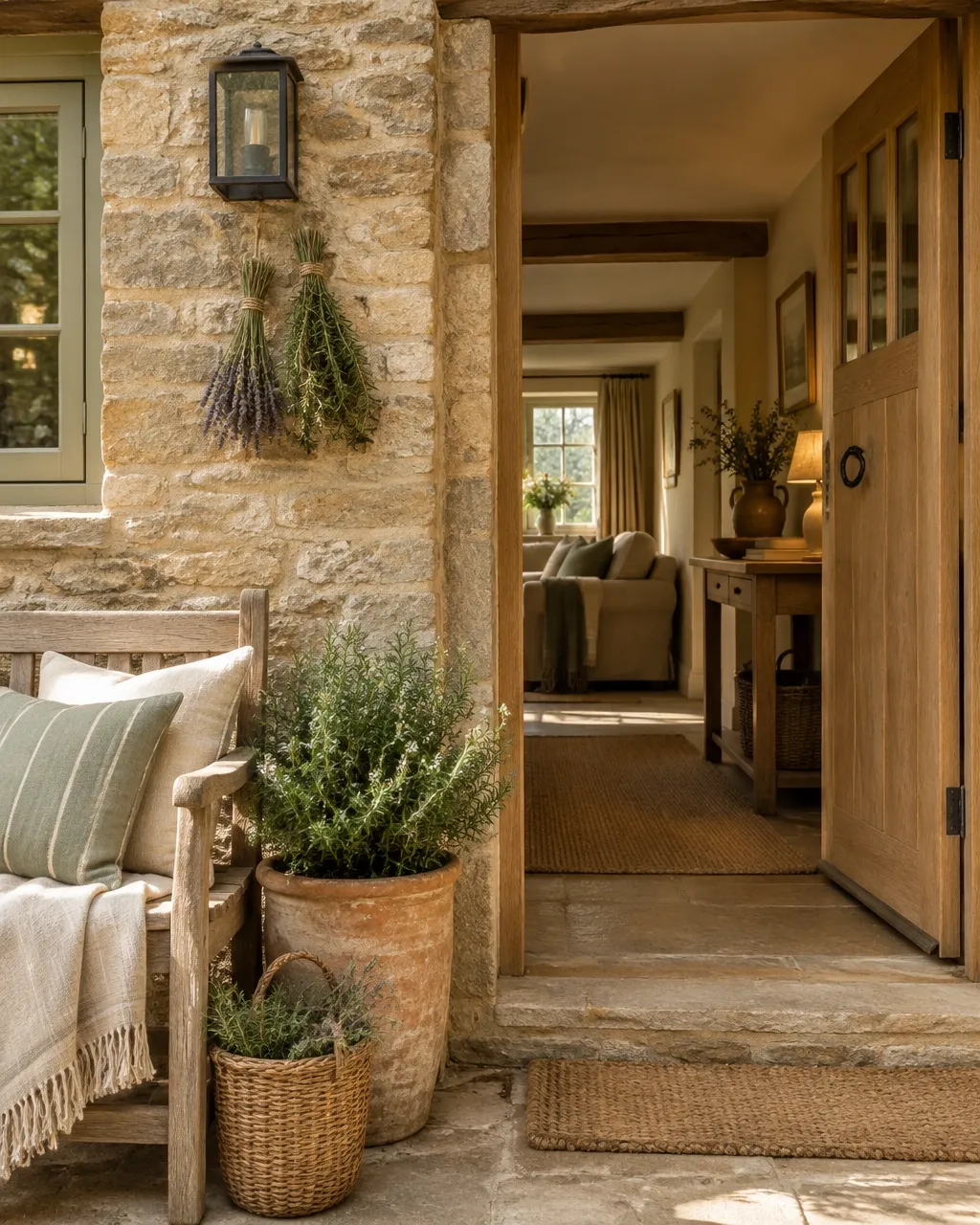
The dream is a familiar one. It starts with a weekend wander through the butter-coloured streets of Castle Combe or Stow-on-the-Wold. You see a "For Sale" sign on a charming stone cottage with climbing roses and a heavy oak door, and you begin to calculate. You imagine cosy winter weekends by the fire, summer afternoons in a walled garden, and a steady stream of booking notifications providing a "seamless" passive income while you’re back in the city.
As a boutique co-hosting service, we see this dream every day. And while the Cotswolds remains one of the most desirable holiday destinations in the world, there is a distinct gap between the romanticised vision of cottage ownership and the logistical reality of managing a high-end holiday let.
Before you sign the contracts or list your second home on a global platform, there are several "hidden truths" that often remain unspoken until the first winter damp sets in or the local council sends a surprise tax bill. Here is what no one tells you about owning a Cotswolds holiday cottage: until it’s too late.
1. The Building Doesn't Just Age; It Demands
Most people fall in love with the Cotswolds for its history. We are drawn to the 17th-century masonry, the thatched roofs, and the leaded windows. However, owning a historic property is less like owning a house and more like being the custodian of a living, breathing museum.
Cotswold stone is porous. Lime mortar requires specialist knowledge. Thatch needs brushing and eventual replacement. When a property transitions from a private home to a holiday let, the "wear and tear" isn't just doubled; it is transformed. Guests treat properties differently than owners do. They may not know how to gently operate an ancient window latch or realize that the antique plumbing can’t handle certain modern habits.
The "invisible" maintenance: the repointing, the gutter clearing, the boiler servicing that always seems to fail on a Friday evening: can quickly erode your projected margins. Without a proactive maintenance schedule, these character-rich homes can become a source of significant stress rather than a source of joy.
2. The 'Passive Income' Myth
There is a common misconception that holiday letting is a passive investment. In reality, it is a high-intensity hospitality business. In 2026, the market for luxury stays in the Cotswolds is more competitive than ever. Guests are no longer looking for "a place to stay"; they are looking for a "curated experience."
This means your cottage must meet: and exceed: boutique hotel standards. From the thread count of the linens to the locally sourced contents of the welcome hamper, every detail is scrutinised. Managing these details requires constant attention. If you are managing the property yourself, you are the concierge, the housekeeper, the emergency plumber, and the marketing executive.
The effort required to maintain a five-star rating is immense. A single negative review regarding a missed cobweb or a slow Wi-Fi connection can take months to recover from in the rankings. This is why many owners eventually realise that the "reward" they sought: the freedom and extra income: is being swallowed by the "day-to-day stress" of operations.
3. The Regulatory Landscape is Shifting
If you haven't kept a close eye on local government policy, you might be in for a shock. Across the UK, and specifically in high-demand areas like the Cotswolds, the rules surrounding second homes and short-term lets are tightening.
Many local councils have now introduced a "second home premium," which can see council tax bills increase by 100%. Furthermore, for a property to qualify for Business Rates (which can often be more tax-efficient), it must be available to let for at least 140 days and actually let for at least 70 days a year.
Then there is the matter of planning. We are seeing an increase in "Article 4 Directions," where local authorities require specific planning permission for a property to be used as a short-term holiday let. If you buy a property assuming you can list it on Airbnb tomorrow, you may find yourself entangled in a legal process you hadn't budgeted for. Ensuring your home is compliant with the latest fire safety regulations and EPC (Energy Performance Certificate) standards is not just a suggestion: it’s a legal necessity that can require significant upfront investment.
4. Seasonality and the 'Quiet Month' Trap
The Cotswolds is beautiful year-round, but guest demand is not uniform. The summer months and the Christmas period are often fully booked months in advance. However, the "shoulder seasons": late October, November, and February: can be challenging.
An empty cottage in winter is more than just a loss of income; it is a risk. Damp can settle in, pipes can freeze, and security becomes a concern. Many owners find that their annual profits are heavily skewed toward four or five months of the year, while the remaining months barely cover the standing charges of utilities and insurance.
Successful hosting requires a sophisticated pricing strategy that accounts for these fluctuations. It’s not about finding guests when everyone wants to visit; it’s about making your property so "stylish" and "inviting" that people want to retreat there even when the weather is grey.
5. The Hidden Cost of Logistics
If you don't live within a 20-minute drive of your property, the logistics of changeovers become your biggest hurdle. Finding a reliable cleaner in a rural Cotswold village is notoriously difficult. Finding a cleaner who can also act as a property manager, spotting a leak before it becomes a flood, or noticing that a guest has accidentally taken the TV remote, is almost impossible.
Laundry services, garden maintenance, and "emergency call-outs" are all more expensive in rural areas. When you factor in the 15-30% commissions charged by the large, mass-market booking agencies: who often provide very little in the way of actual boots-on-the-ground support: the financial picture starts to look very different.
Making Hosting Effortless
This sounds daunting, and for many owners, it is. But it doesn't have to be. The secret to a successful, profitable, and: most importantly: stress-free holiday home is professional, local management.
At Cotswold Escapes, we specialise in turning these "hidden truths" into "handled tasks." We combine our deep local knowledge with a personalised service that treats your home as if it were our own. Our curated approach means we don't just manage bookings; we manage the entire experience.
We handle the regulatory compliance, we oversee the specialist maintenance required for Cotswold stone, and we ensure that every guest arrives to a property that feels like a boutique retreat. By taking the day-to-day management off your plate, we allow you to enjoy the rewards of ownership without the headache.
Owning a piece of the Cotswolds should be a joy. With the right partner, it can be. If you are considering listing your property or feel the weight of management becoming too much, let’s have a conversation about how we can make your hosting experience truly seamless.
Explore our services or contact us today to learn more about our handpicked portfolio.